


Hosted by

Hosted by
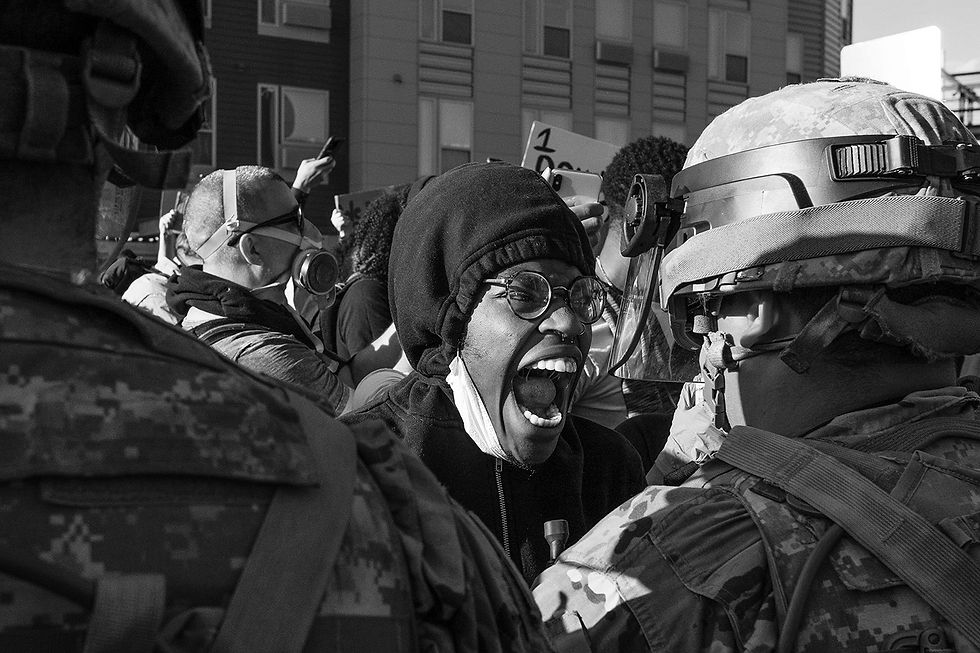
Remnants of a Reckoning
The May 2020 Minneapolis murder of George Floyd traumatized millions of people, leading to historic domestic and international protests that radically shifted discourse on the issues of race and policing. In response to this outcry, various cities and states have enacted police reforms in the subsequent years. Such changes include expanding the use of officer-worn body cameras, modifying training and rules of engagement, as well as introducing laws aimed at requiring police to report instances when they witness their colleagues engage in excessive force.
Despite a once-in-a-generation social movement and piecemeal policy changes, however, policing in Minneapolis has thus far escaped fundamental transformation. While local abolitionists and defund activists attracted unprecedented support for their causes in the wake of Floyd’s death, a 2021 ballot initiative to replace the Minneapolis Police Department with a new, social services-centric Department of Public Safety ultimately lost 44% to 56%. Police unions, which have long shielded officers from personal accountability, continue to lobby against oversight or restrictions. What’s more, police killings have continued to climb nationwide, with the Mapping Police Violence database recording a record 1,183 people by officers in 2022. This trend has been reflected in the Twin Cities and its immediate suburbs, as officers there have killed over a dozen people, including six Black men, since Floyd’s murder.
Melding images from a two-and-a-half-year period, “Remnants of a Reckoning” breaks the chronology of events between May 2020 and November 2022 in order to explore the ways in which each killing leaves many residents trapped in the same numbing cycle of violence, unrest, grief, organizing, and disillusionment. It also serves as an intimate reflection on the successes and failures of local efforts to reimagine public safety. The project explores the earliest days of the 2020 uprising, fallout from subsequent officer-involved killings, emerging alternatives to armed policing, and how factors like community violence and entrenched poverty can serve as barriers to enacting transformative change.
These images represent the first half of the long-term project. The next submission contains the second half.


